
Welcome to Part 2 of the Century III journey. Since our inaugural publication of this series, Century III is now almost a memory. The former Sears and a lingering hollowed out piece of the mall are all that remain as of press time. Demolition of the rest of the hulking structure, was commenced at the behest of the Allegheny County District Attorney Stephen Zappala, Jr in January of 2024. Criminal charges were filed against absentee owners, Moonbeam Capital Investments LLC. Preceding this decision were numerous incidents. Vandalism, a series of arrests including trespassing by social media influencers, personal injury, a fire, all culminated in a tense public hearing where angry and concerned citizens demanded action. More on these developments in our third and final piece of the story, but first we need to dig through the series of events that ultimately led us here.
By the close of the 1980’s, developments both locally and behind the scenes at the firm responsible for its very existence, would lead to Century III Mall being uprooted from its perch at the top of the Pittsburgh retailing scene. The first, albeit not the most directly responsible would be the fallout from the collapse of the city’s vast steel industry. While these issues ultimately began when the mall was first being envisioned, and were not limited to just Pittsburgh, the effects have long lingered. Among the highest paid of industries thanks to the 1973 Steelworkers Experimental Negotiating Agreement, contract strikes and competition from abroad, as well as dwindling demand from the postwar boom put a strain on the industry at large. Between 1980 and 1983, the Steel City’s workforce fell from 1 million to 905,000(1) and would continue to fall. Many corporations relocated or expanded to the South, and employees followed. Most of these workers lived in our around the area that Century III came to anchor.
I will not profess any in-depth knowledge of the steel industry’s collapse other than what is mentioned here, and as stated the failings and downfall not only impacted just Pittsburgh, but vast areas of the Rust Belt at large. Moreso, corporate machinations and the fallout of one of the biggest retail blunders in history, bore the majority of the blame for the downfall of Century III.
In 1986, Century III builder and owner, Edward J. DeBartolo engaged in an attempt to buy out the Allied Department Stores chain, owners of such storied names as Bonwit Teller, Ann Taylor, Brooks Brothers, Jordan Marsh and others. They were in a bidding war with Canadian developer Robert Campeau who was looking to expand his real estate portfolio to the US. Campeau initiated a hostile takeover, and came out on top. The Allied conglomerate was sold for $3.6 billion in November of 1986. DeBartolo, for his trouble, would come to an agreement to co-own five of Allied Stores’ built shopping malls as a thank you for loaning $100 million. DeBartolo was also able to purchase a 50 percent stake in Cleveland based Higbee’s, the other half going to Little Rock, AR based Dillard’s.
Two years later, Campeau announced intent to purchase Cincinnati based Federated Department Stores, owners of such stores as Lazarus, Bloomingdale’s, I. Magnin and Burdines. Campeau would enter into a hostile takeover there as well. This time he was fighting R.H. Macy and Company for the Federated buyout rights. As before, DeBartolo was courted by Campeau, this time to loan $400 million. The purchase was completed in July 1988, for $6.6 million total. Campeau and DeBartolo were riding high, envisioning a lofty partnership and expanding operations brought upon by the merging of two major department store holding companies. This was not to be the case. The back to back purchases increased Campeau’s overall debt, and he was unable to pay back the loans. Even with divesture or closure of certain brands among the merged groups, bankruptcy was inevitable. Filings for Chapter 11 were made by the dawn of 1990, DeBartolo called off their agreement,and the whole ordeal was one of the biggest retail failures recorded. Federated emerged from bankruptcy, though continued to pair down redundant operations. This was especially evident in the ironic purchase of Macy’s, their former suitor, by Federated from their own bankruptcy in 1994. This would entice them to retire more nameplates over the ensuing years for that of Macy’s.
How does this factor in to Century III? Well for starters, this was the precedent of the eventual downfall of DeBartolo’s namesake company. Riddled with debt from the loans that couldn’t be paid back, DeBartolo sold to Dillard’s the remaining stake in Higbee’s, and sold off three malls by 1992. The company opted to go public as a real estate trust in 1993 under the name DeBartolo Realty, with son Edward DeBartolo, Jr as chairman. The following year, Edward J. DeBartolo died at the age of 85. DeBartolo, Jr was more focused on ownership of the San Francisco 49ers(owned since 1977) and would ultimately face legal issues tied to riverboat gambling in Louisiana. Faced with mounting pressure, the company was bought by Indianapolis based Melvin, Simon and Associates in 1996, becoming the Simon DeBartolo Property Group.
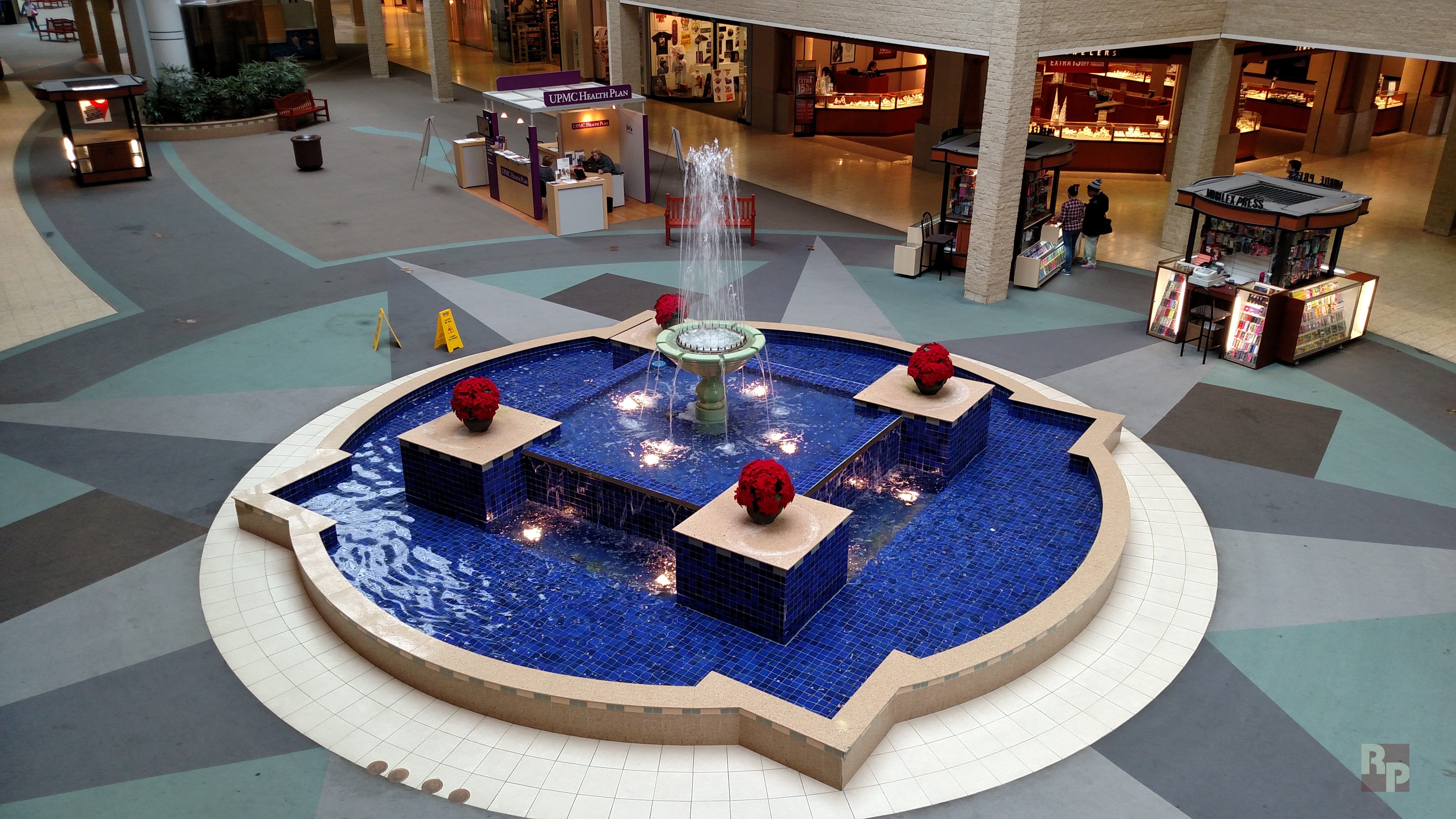
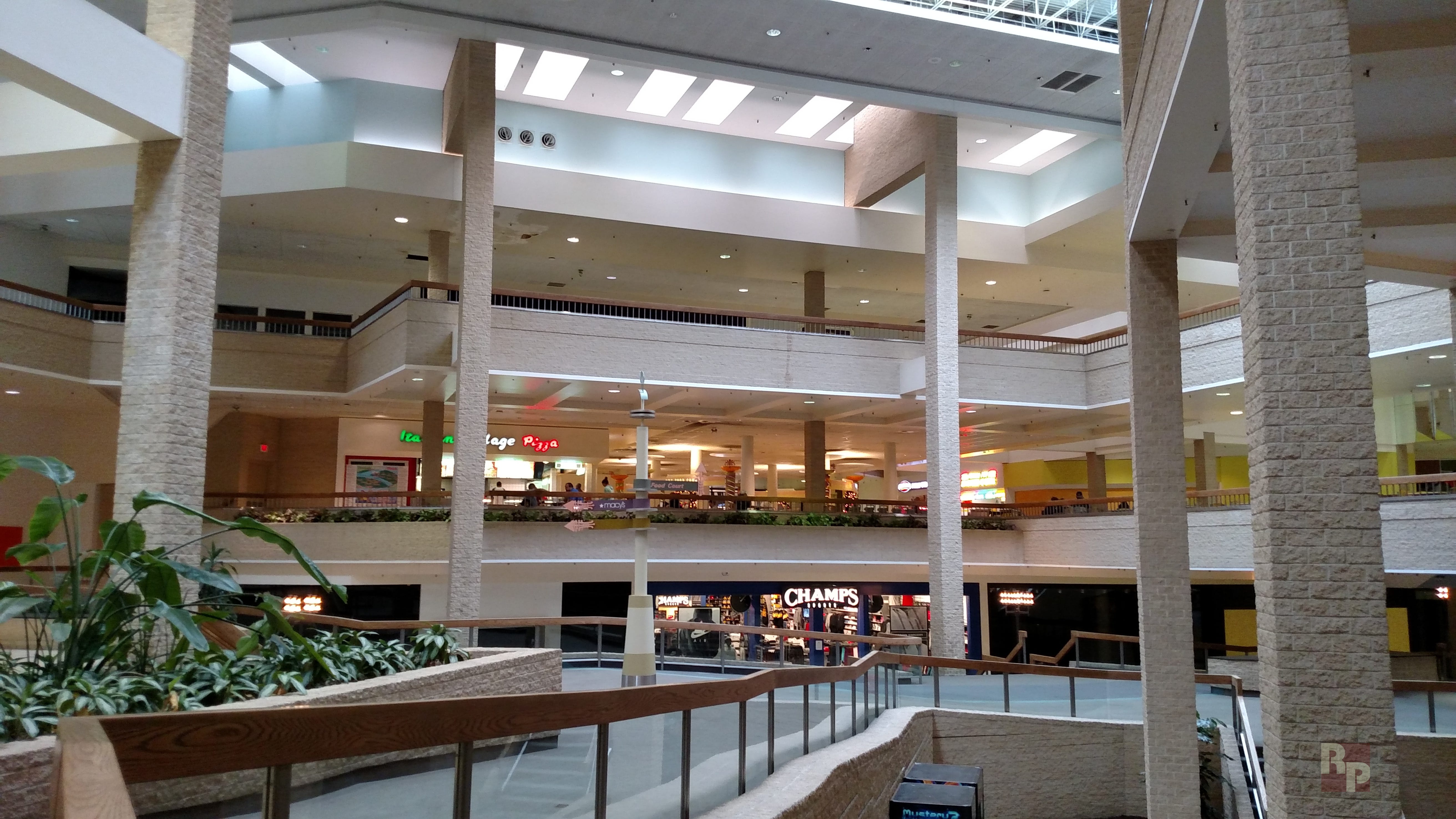
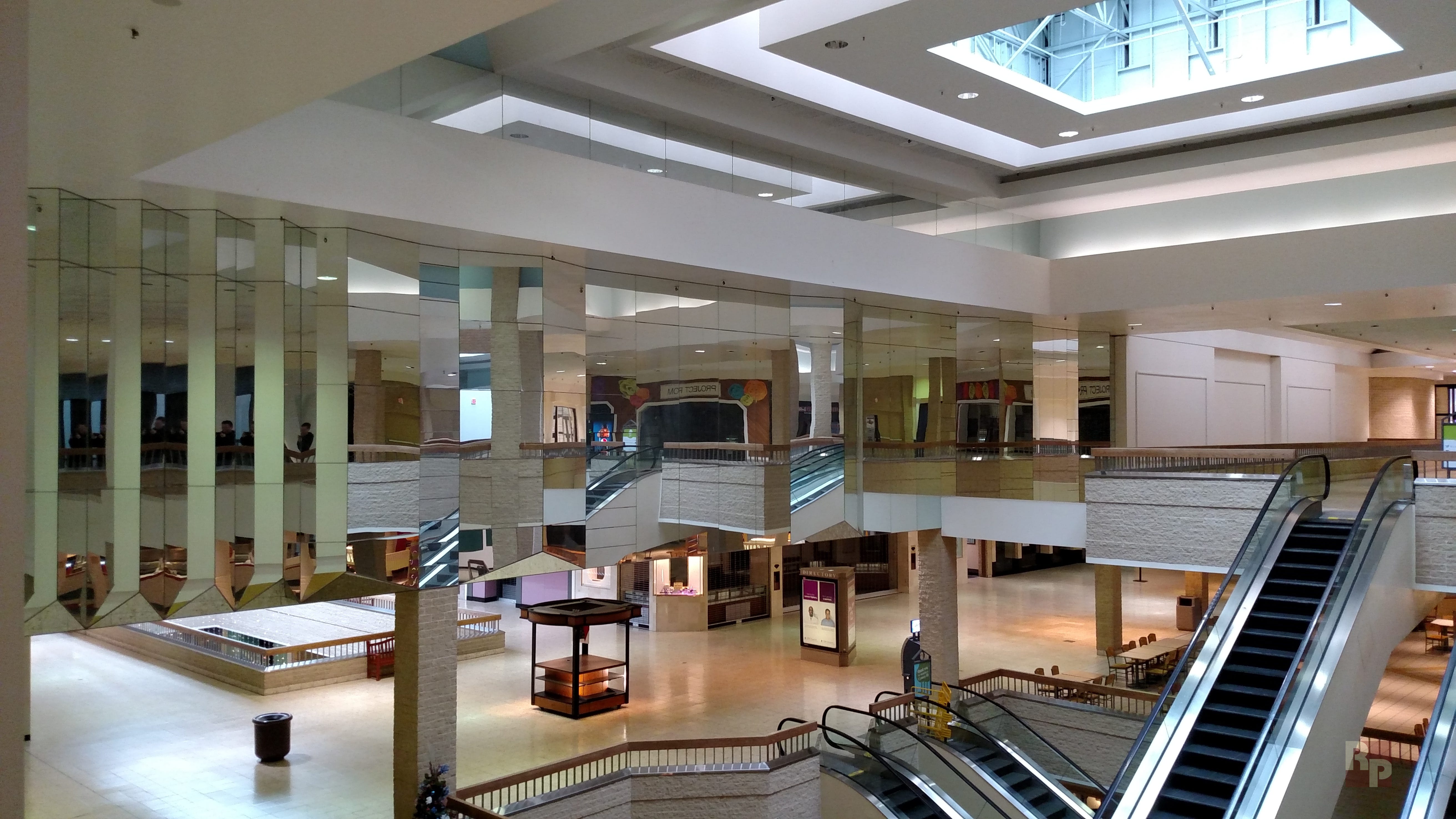
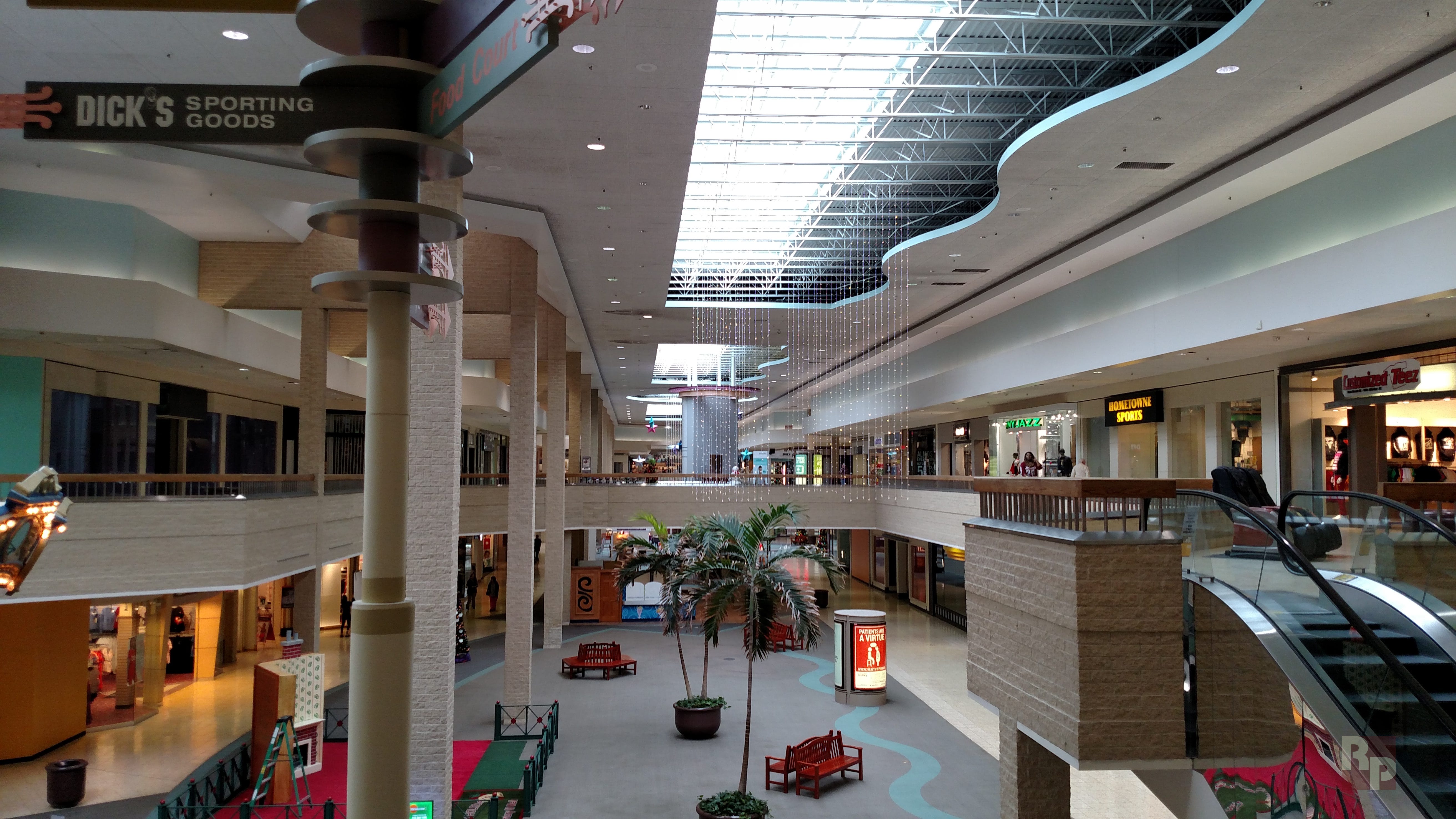
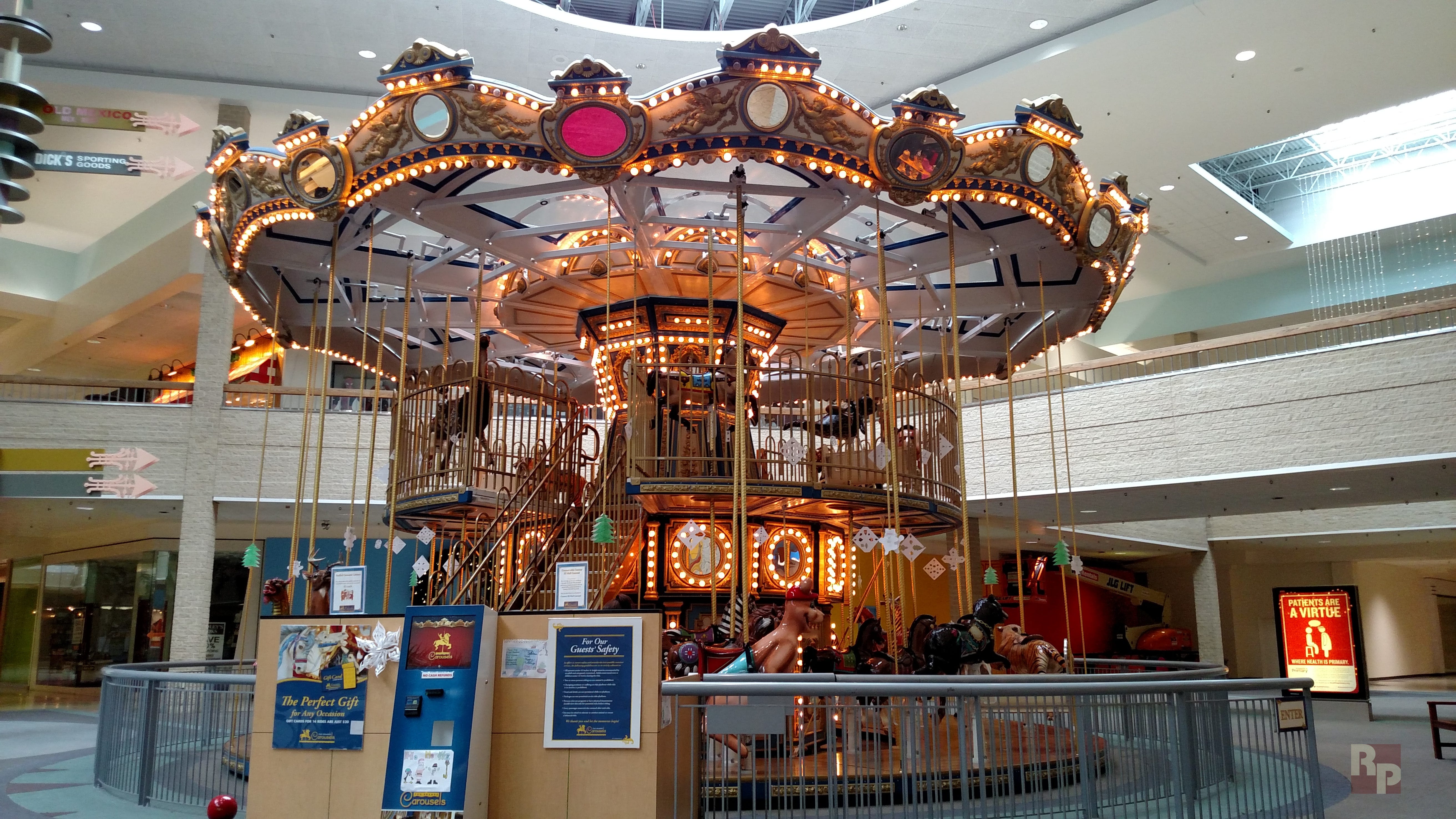
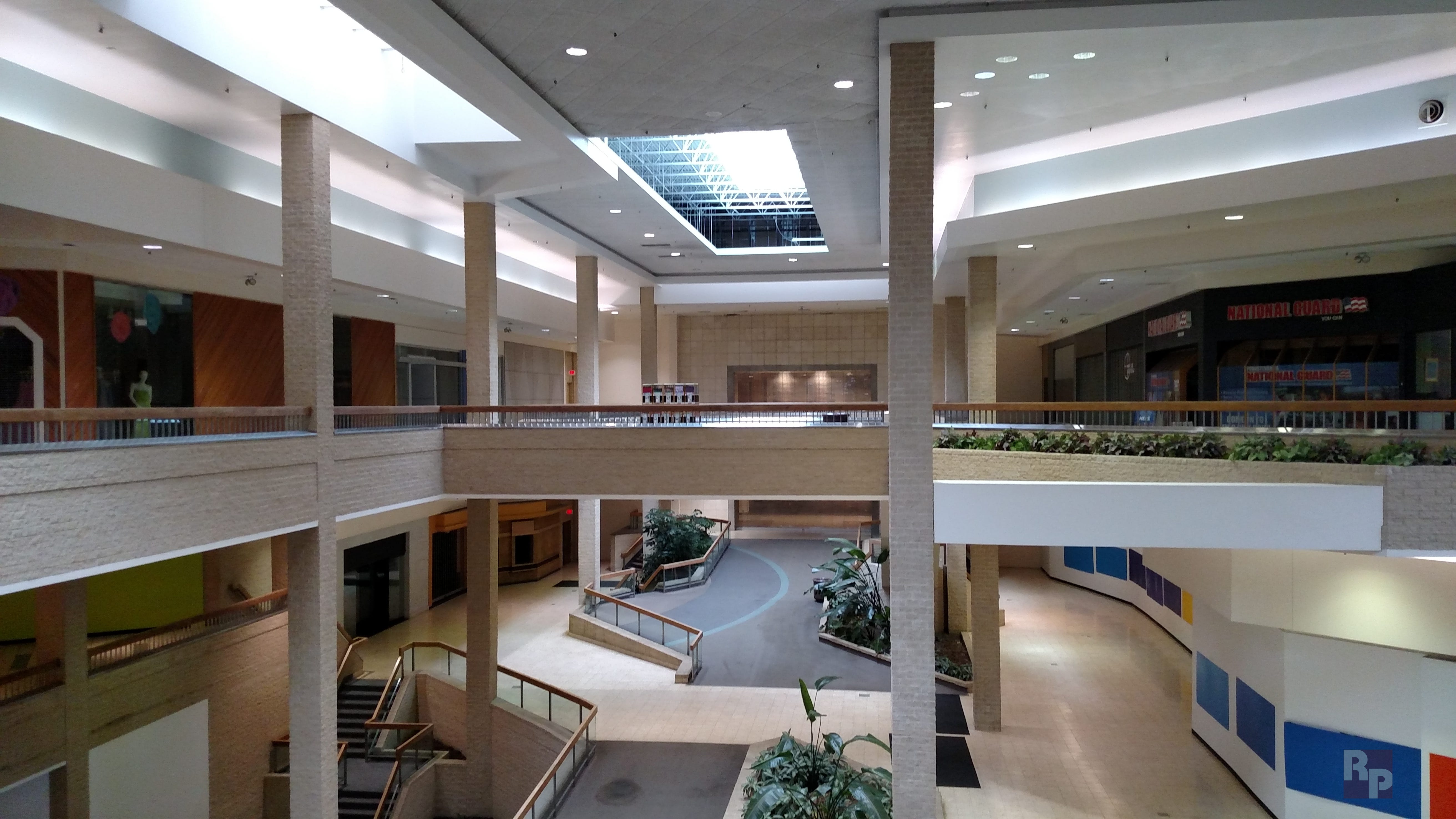
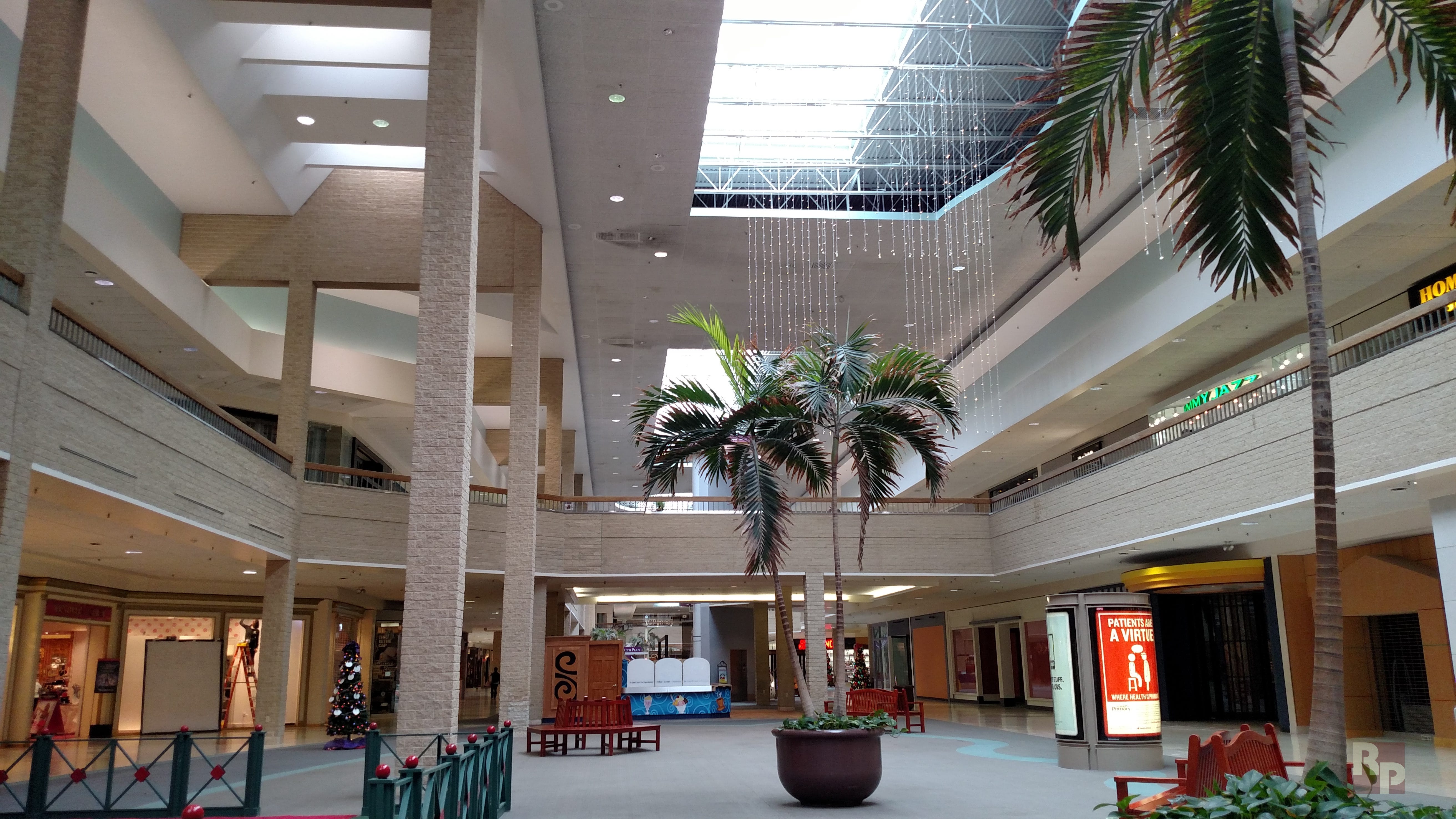
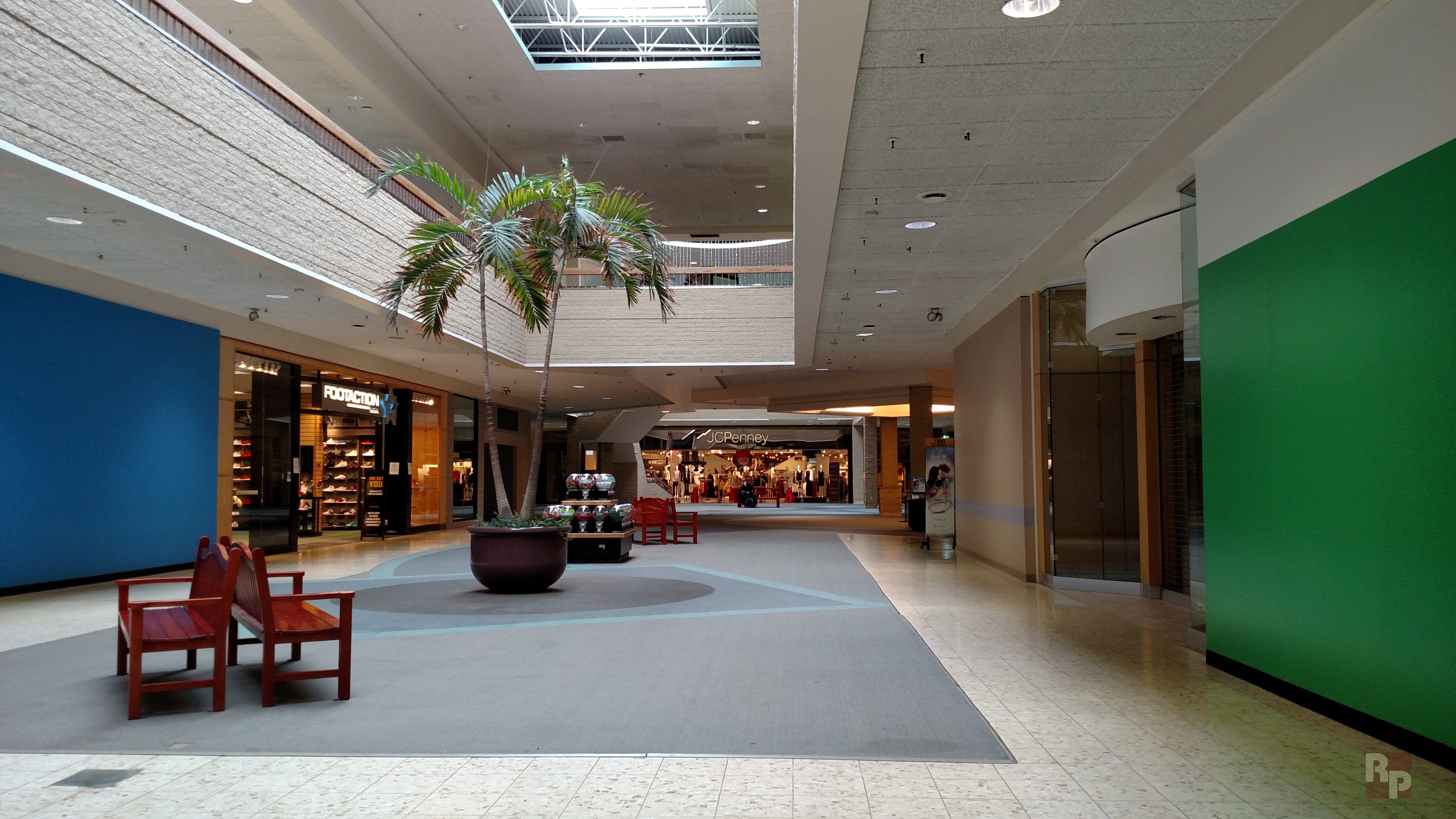
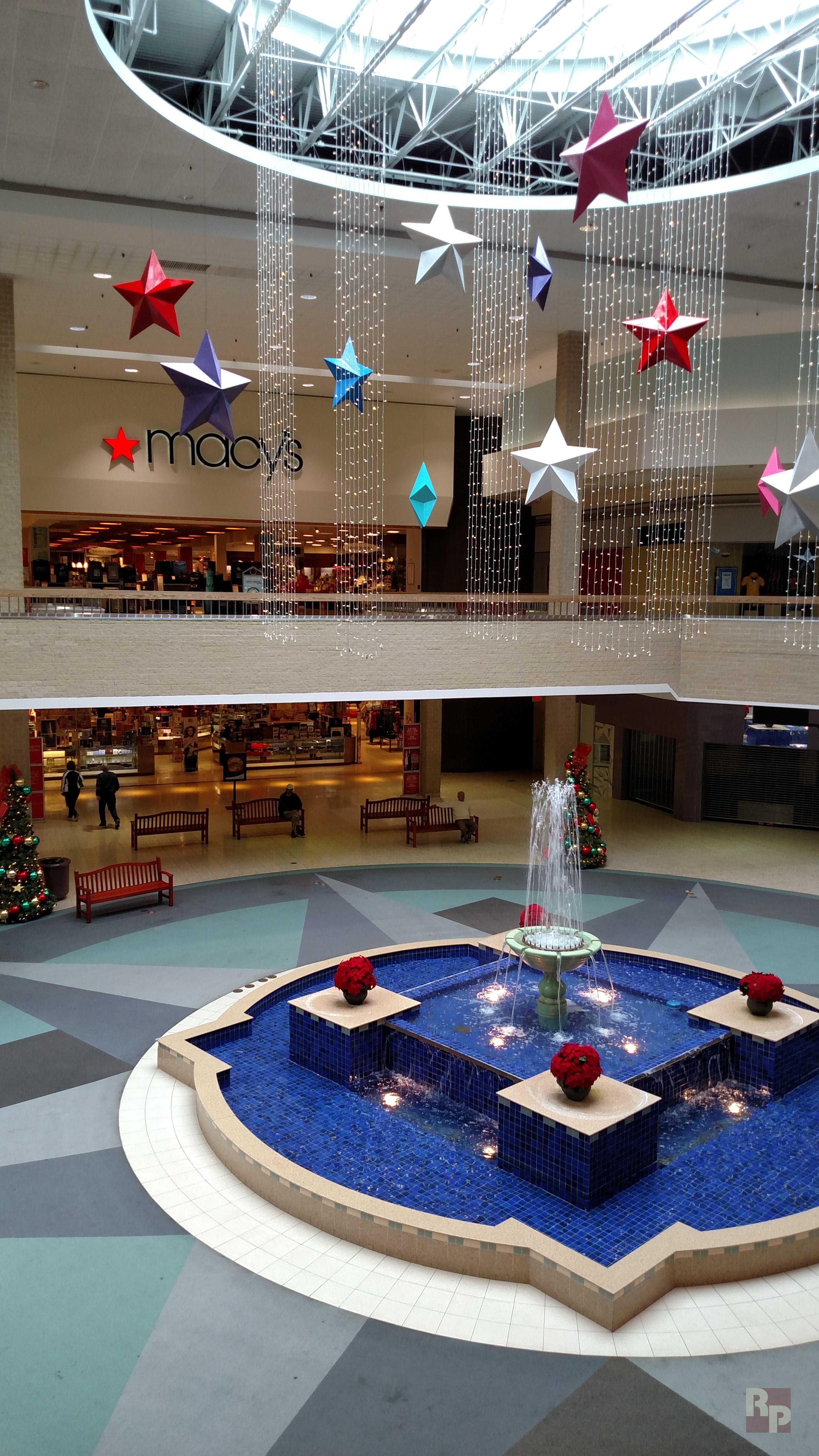
Simon’s stamp on Century III was swift. The former Gimbels space was filled with TJ Maxx and Marshalls, each splitting the lower and upper floors, respectively. While TJ Maxx converted to their “&More” segment by 1998, Marshalls closed becoming Wickes Furniture. Lazarus also called the mall home by this time, replacing Horne’s in 1994. Aside from changing anchor lineups, Simon immediately embarked on a remodeling project. Gone were the dark, dimly lit hallways, original light fixtures, center court observation area, red carpet and 70s opulence. The fountain and stage that graced the center court were ripped out and cemented over. In their place, new skylights to allow more natural light, contemporary carpeting and seating areas, and a refreshed food court would be introduced. “Pittsburgh Reflections” was meant to be kept on after the remodeling, but was accidentally damaged and had to be removed.
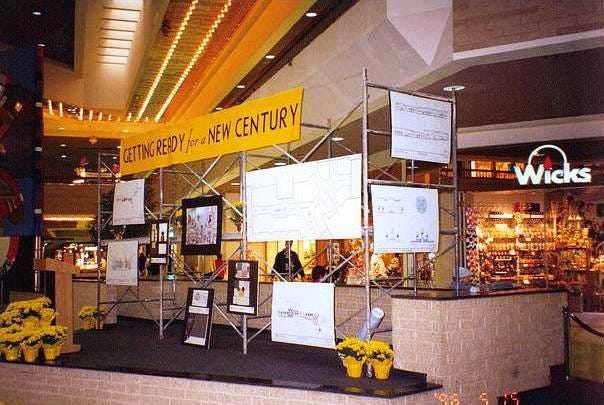
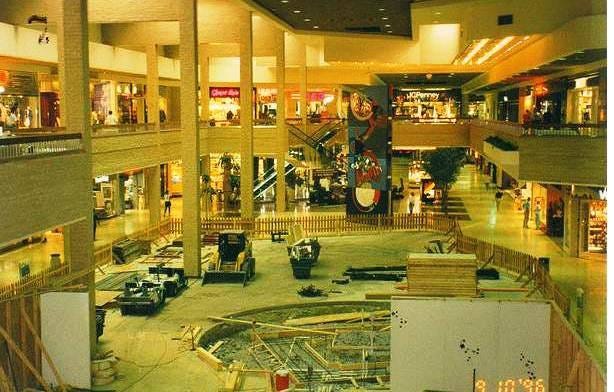
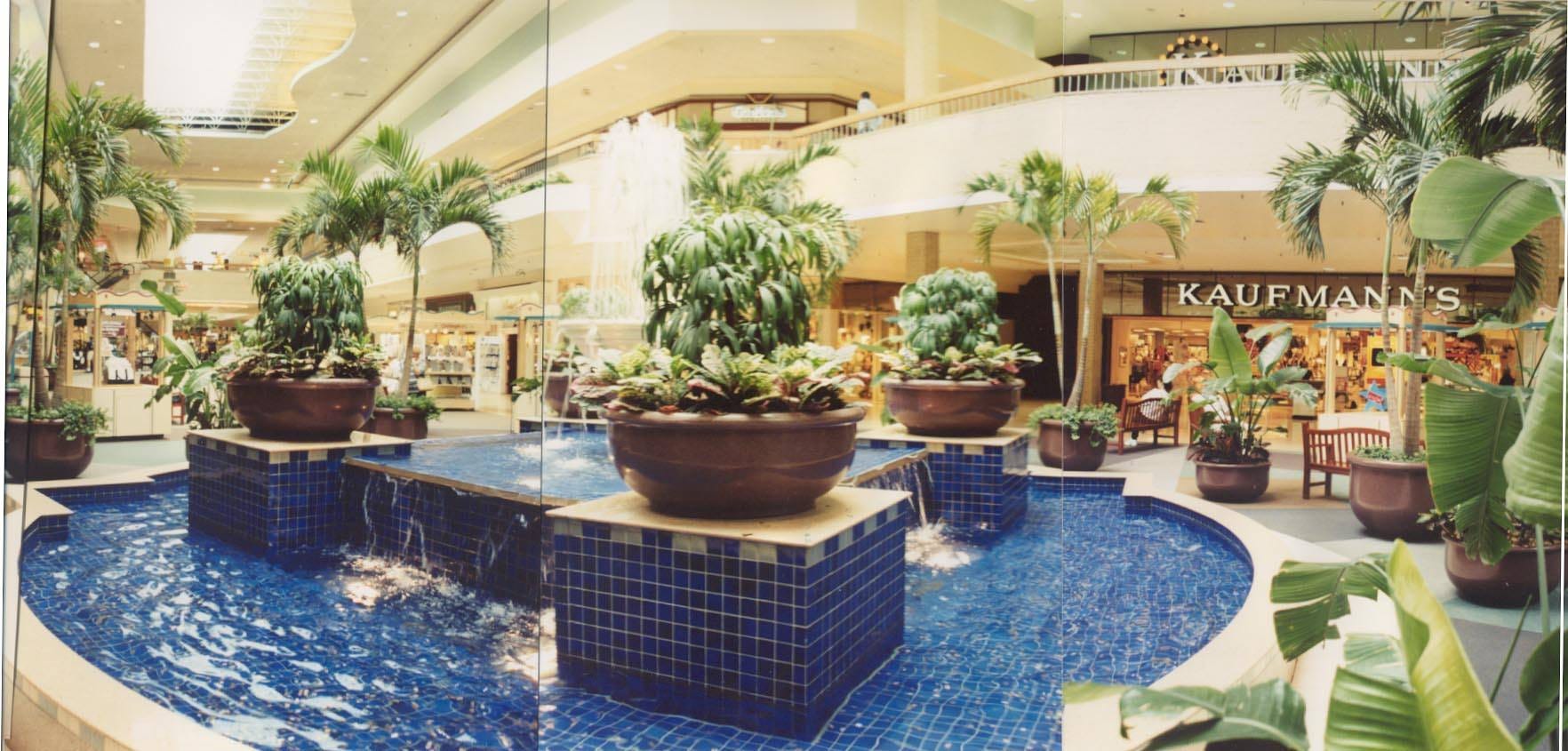
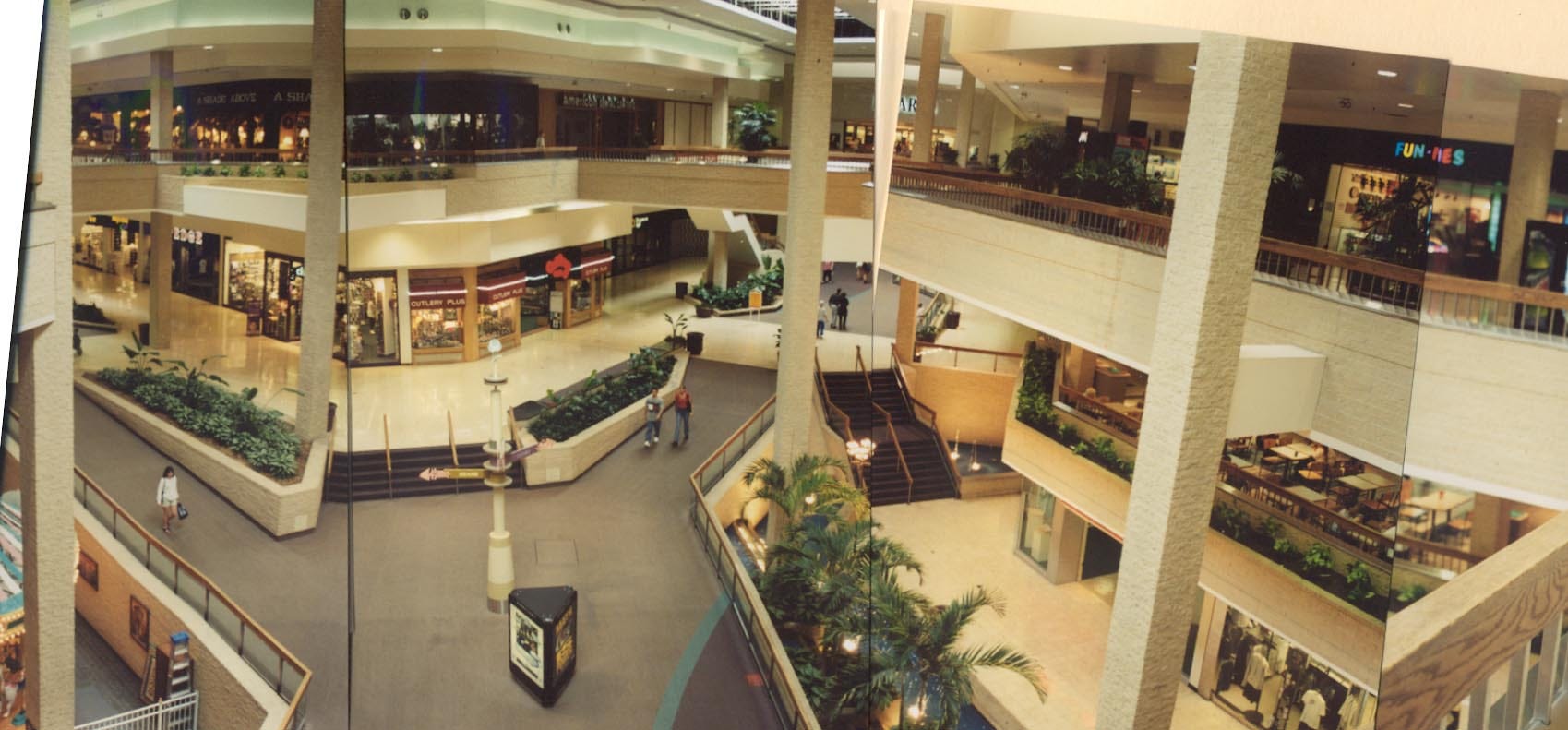
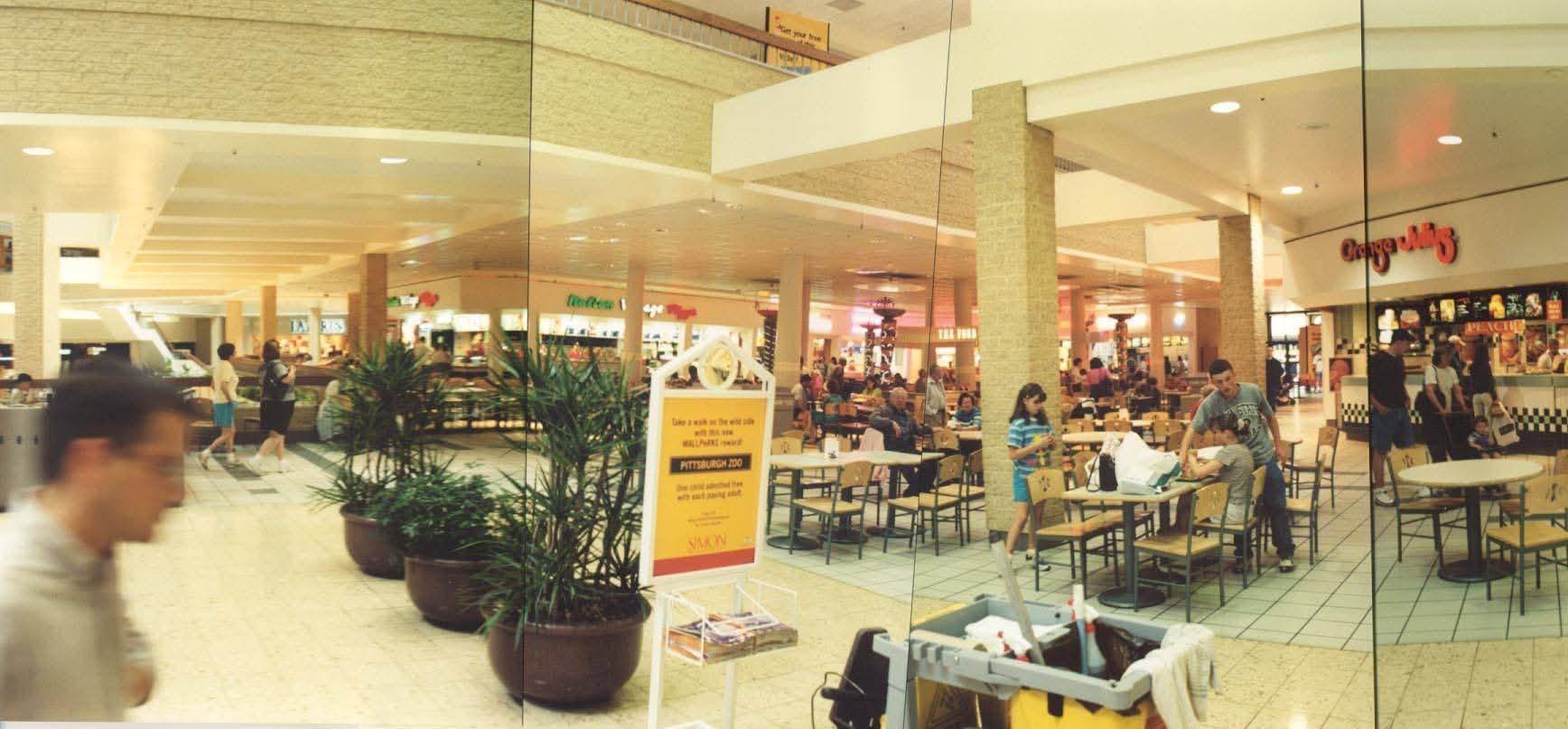
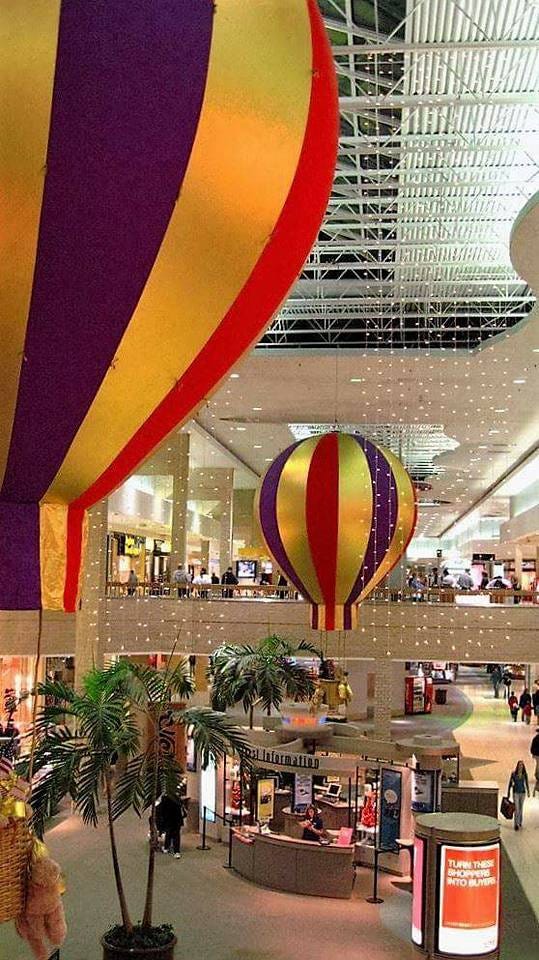
By 1999, Lazaurus closed due to under-performance and was replaced with Kaufmann’s Furniture Galleries. Nearby developments such as the opening of The Waterfront in nearby Homestead, as well as Southside Works, also drew away customers with refreshed shopping environments in more convenient locations. South Hills Village was also purchased by Simon, who continued to capitalize on the momentum gained by their own expansion and remodeling around the same time as C-III completed theirs. Slowly but surely, the new shine on C-III was beginning to dull. More anchor changes through the 2000s would hasten the changing tide.
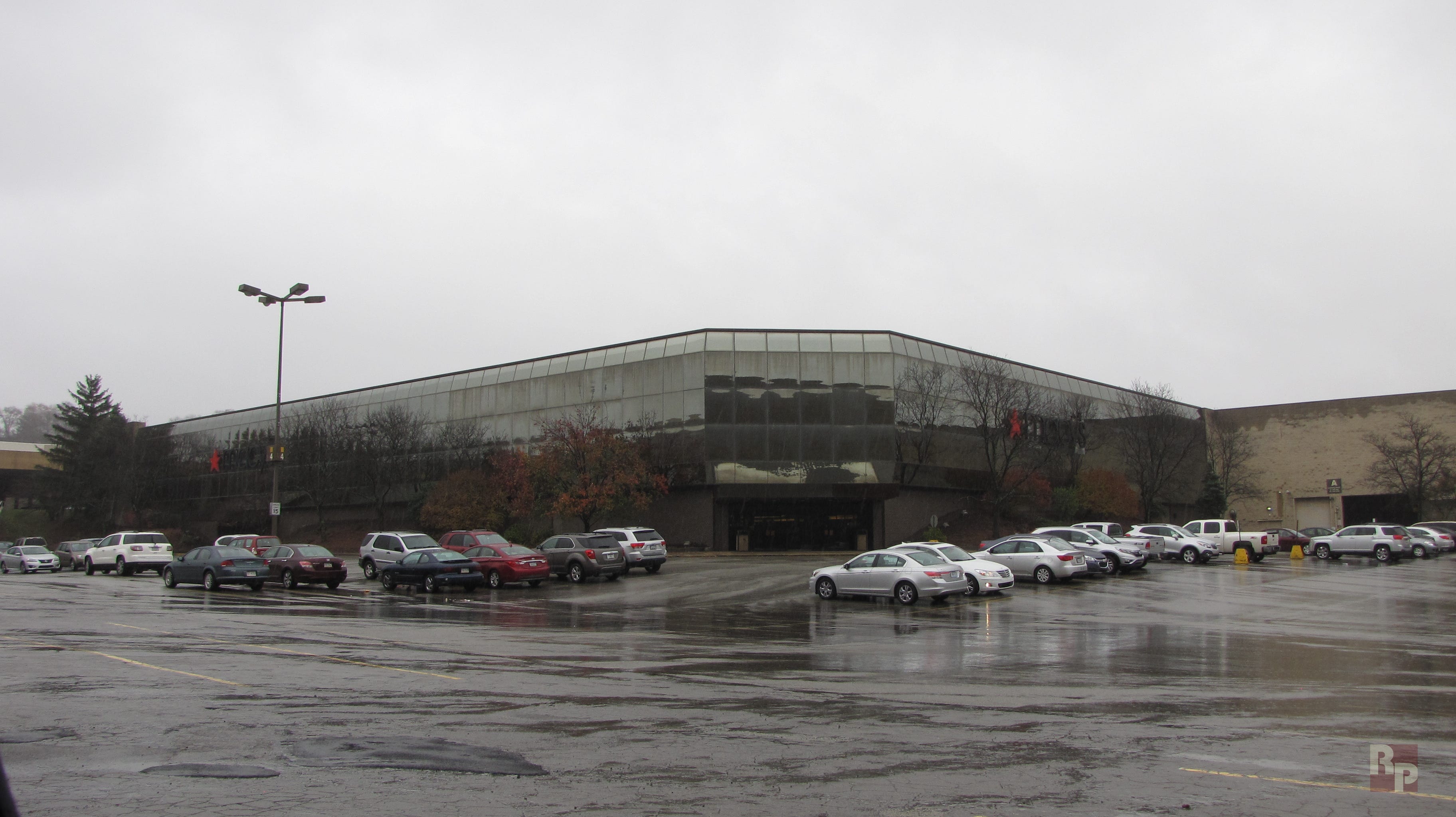
Wickes Furniture and TJ Maxx would depart by the early 2000s, being replaced with Dick’s Sporting Goods and Steve & Barry’s respectively. In 2005, Federated Department Stores purchased The May Department Stores, Inc for $11 billion. By the following year, all May nameplates, except for Lord & Taylor would be changed to Macy’s, Federated’s newly christened showpiece brand of the company. This resulted in Kaufmann’s changing over, ending the brand’s 136 year storied Pittsburgh history. The furniture gallery followed suit, albeit reduced to the lower level, before closing entirely by 2009. In the midst of this change, Simon pursued a buyer, however the economic recession of 2008 stalled this. Instead, by 2011 Simon would default on their $78.9 million loan on the property, deciding to offload instead of upholding continued investment. Fellow Simon properties South Hills Village and Ross Park Mall were the new kings in town. Jones Lang LaSalle would handle leasing and managerial duties, until another buyer was found.
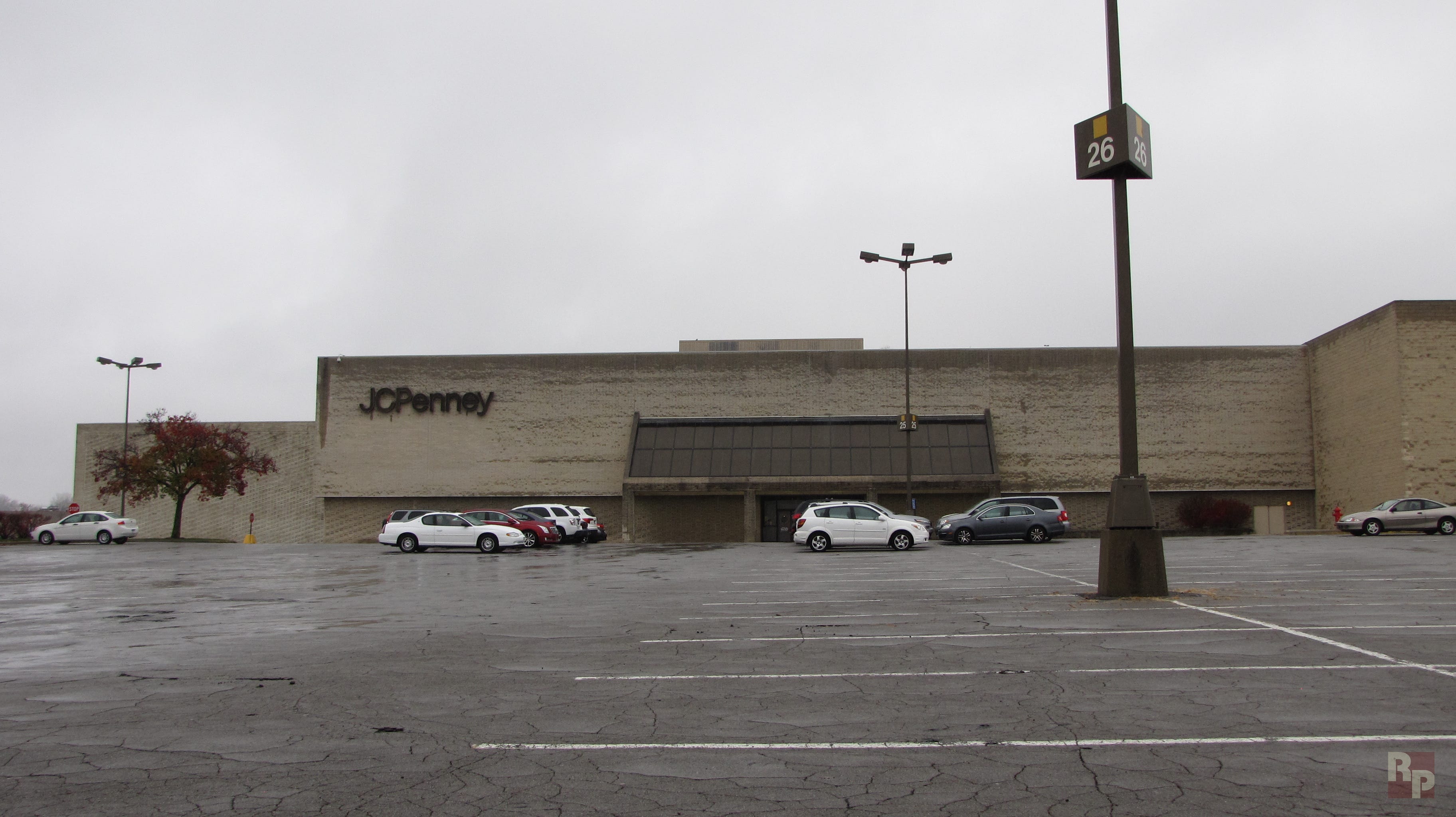
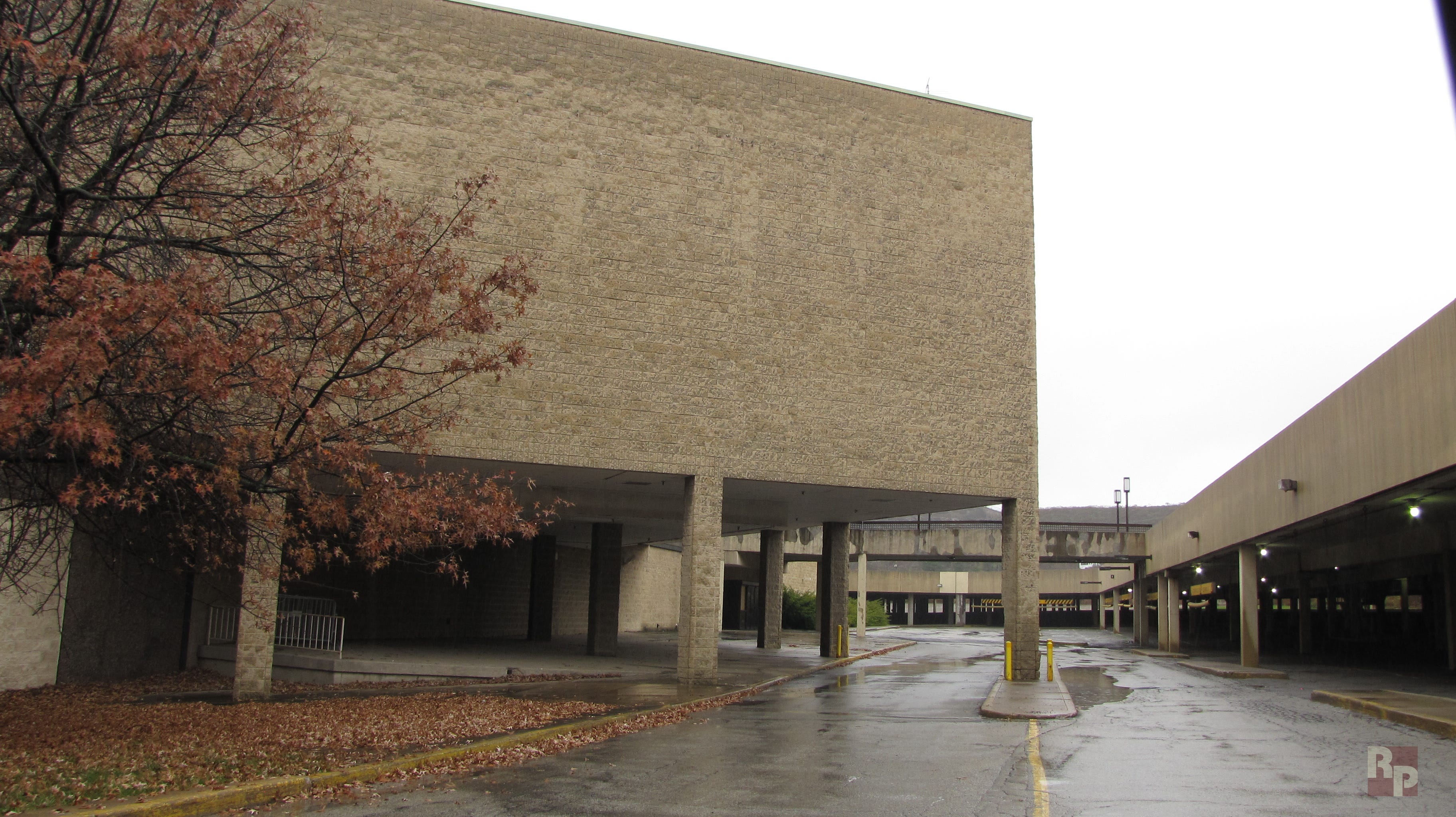
This new buyer, unbeknownst at the time, would be the catalyst for Century III’s final chapter. Las Vegas based Moonbeam Capital Investments LLC would purchase the mall for $10.5 million in June of 2013. The following year, Sears would close their store. Moonbeam announced plans to demolish the old Wards/Horne’s/Lazarus building for a multiplex theater, as well as a demolition of the mall section linking that with Sears, turning the mall into a partially open air center.
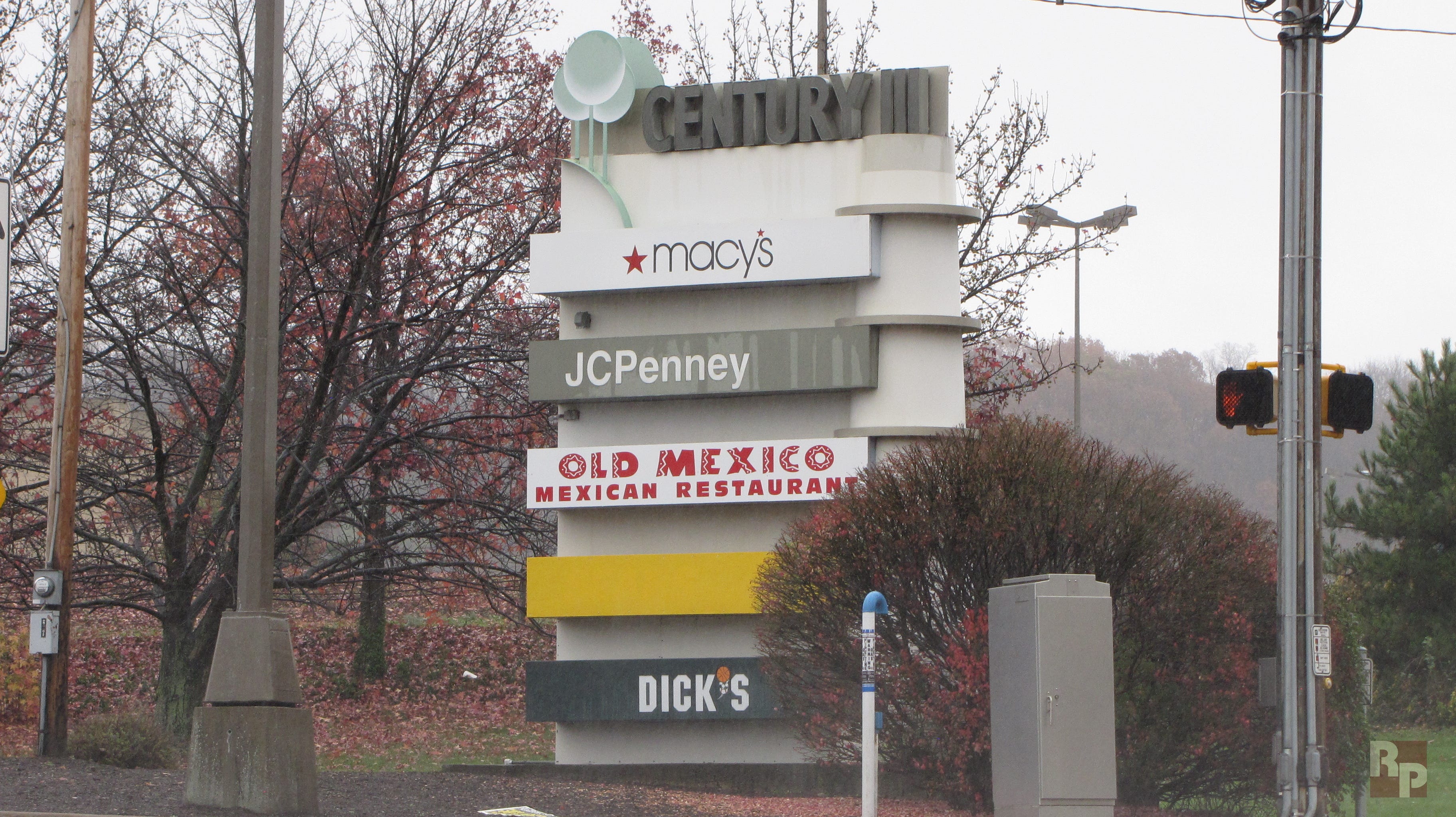
It was with this news, I decided to visit Century III for the first time. It was a cold, rainy day in November of 2015. Little did I know, I was witnessing the last breaths of a mall that up until this point was still doing decent enough business, considering recent developments. More visits would follow.
I was about to start a long documentation of a once proud mall in slow decline. An arduous, agonizing fade to black full of broken promises, pissed off townspeople and leadership, and the loss of an architectural and commercial powerhouse. That story to follow, in Part 3.
All images and text are the sole copyright of Retailpocalypse unless otherwise noted. Unauthorized use and/or duplication of this material, without expressed and written permission, is strictly prohibited.
Really enjoyed this. I’m in England and the mall nearest to my location recently shut down. Reading this sounds very familiar to the decline I witnessed first hand over many years. Look forward to part 3. Thanks
Great piece. This was my favorite mall, I hated the Simon remodel so much. I designed my dioramas based on the mall to the time I loved it the most back when “Pittsburgh Reflections” was proudly there. The death of this place has been heartbreaking